Private Pilot License Cost in St. Louis: A 2027 Breakdown
You sit down with your first flight training estimate, and your eyes go straight to the bottom line. That one number tells you very little. Private pilot license cost in St. Louis is really a stack of separate line items: aircraft time, instructor time, ground study, an FAA medical, a knowledge test, a checkride, and the gear you carry to every lesson.
Each line shows up in a different phase of training, and each one moves for different reasons. Here at Ideal Aviation, we fly out of St. Louis Downtown Airport in Sauget, and we help students break an estimate into its line items so you know what you are paying for and when. This breakdown names every category for the private certificate, explains what makes the total move, and shows how scholarships, our SWIC partnership, and financing fit in. For the order of training steps, start with our nine-step guide to getting a private pilot license in St. Louis.
Every line item in a private pilot estimate, by phase
Private pilot costs fall into four training phases, plus a few items you carry the whole way. Knowing which phase a cost belongs to tells you when you will pay it and how to plan for it. Here is the full map for our Private Pilot training.
| Phase | Line items | What moves it |
|---|---|---|
| Before training | Discovery flight, FAA medical exam | Medical questions that need extra review |
| Pre-solo, Private Pilot | Aircraft time, instructor time, ground training | Lesson frequency, weather, how fast landings settle |
| Solo and cross-country, Private Pilot | Solo aircraft time, dual cross-country and night flights, instructor briefings and endorsements | Proficiency, weather, aircraft availability |
| Test prep and checkride, Private Pilot | Knowledge test, checkride prep flights, examiner’s fee, aircraft for the checkride, possible retest | Readiness, test timing, scheduling |
| Throughout | Headset, charts, books, apps, supplies, possible renter’s insurance | What you already own, what your training requires |
Rates change, so we keep numbers out of our articles. Call us at (618) 360-7600 or contact our team and we will give you current numbers for each line.
Before training: the discovery flight and your FAA medical
Your first line item is usually a discovery flight, an introductory lesson with a certified flight instructor. You preflight together, take off from St. Louis Downtown, and you may get to take the controls over the Mississippi with the Gateway Arch in view. Request it online and our team will call to confirm your date. Our discovery flight guide walks through the hour.
The second early cost is the FAA medical exam. You can start lessons without one, but you need a medical before you solo. A third-class medical covers student and private pilot flying. You apply through the FAA’s online MedXPress system, then see an Aviation Medical Examiner, or AME, a doctor the FAA designates to issue pilot medicals.
Put this appointment early in your plan. If you have a question about a condition or medication, talk with an AME before you spend heavily on lessons. The FAA’s medical certification page walks through the steps, and our post on FAA medical classes and timing explains them in plain language.
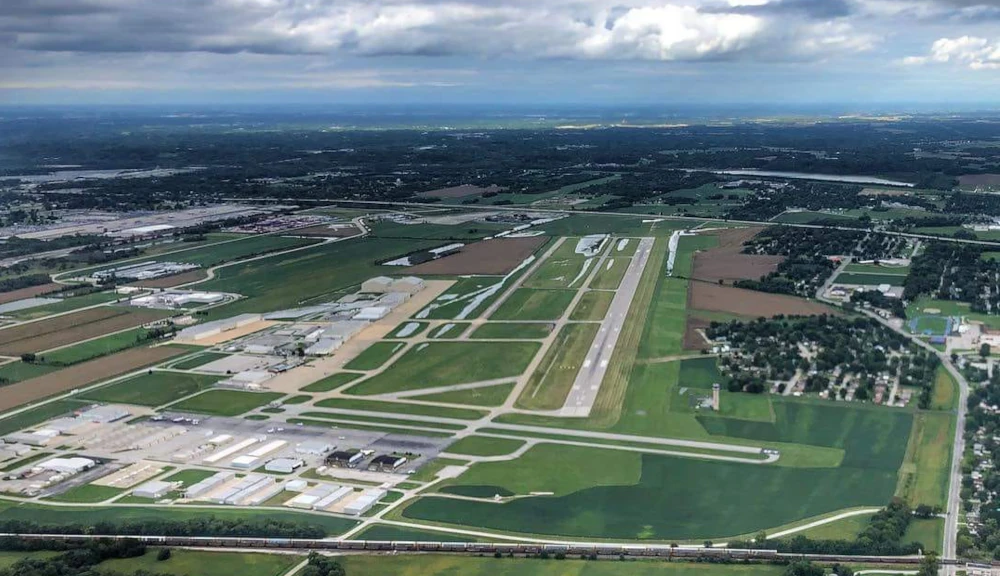
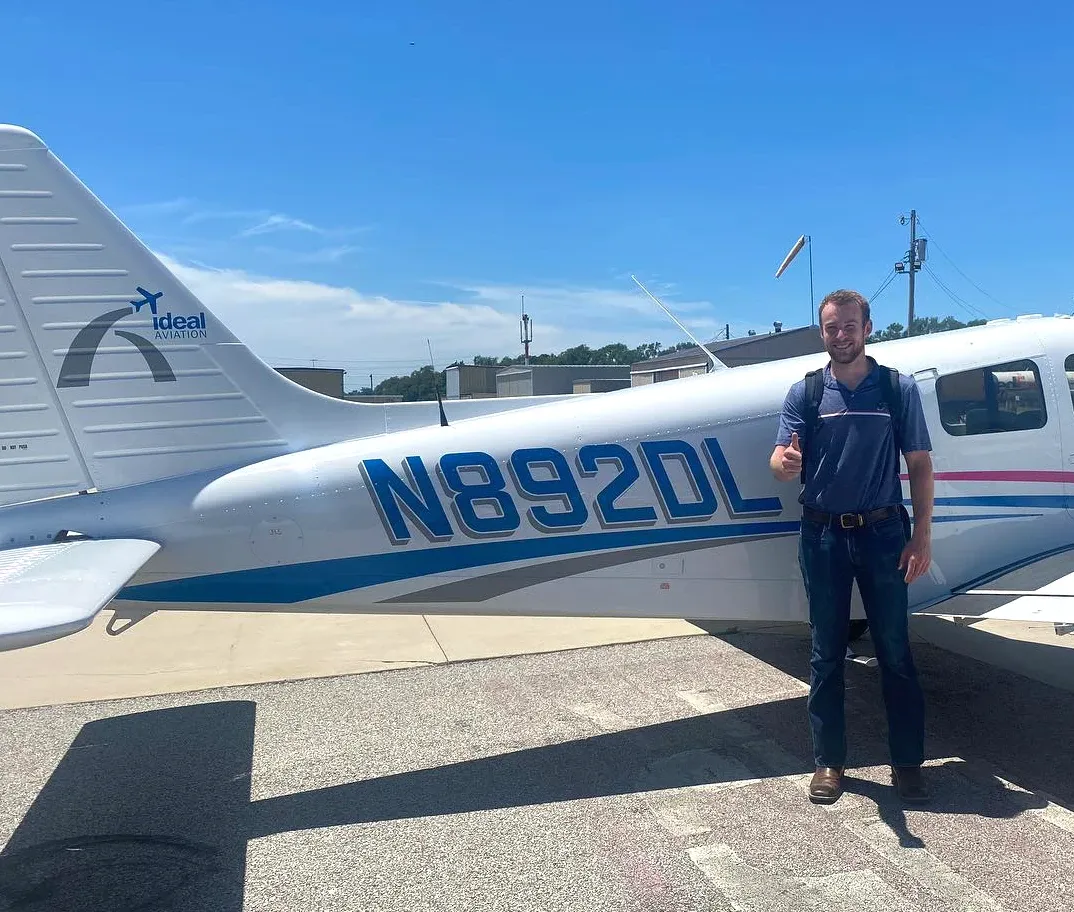
A discovery flight from St. Louis Downtown Airport is often the first line on your estimate.
Pre-solo lessons: aircraft time and instructor time do most of the work
From your first real lesson to your first solo, almost every hour carries two charges: the airplane and the instructor. Aircraft time covers the airplane you fly. Instructor time covers dual flights, where your instructor sits beside you, and ground instruction, such as briefings before a flight and debriefs after it.
This is where the FAA minimums come in. Under Part 61, a private pilot certificate in a single-engine airplane requires at least 40 hours of flight time, including at least 20 hours of training with an instructor and 10 hours of solo flight. An approved Part 141 course sets a 35-hour minimum. These are FAA minimums, and most students fly more before they are ready, so build your estimate around a training range, not the floor. We offer both structures, and our Part 61 vs Part 141 guide explains the difference.
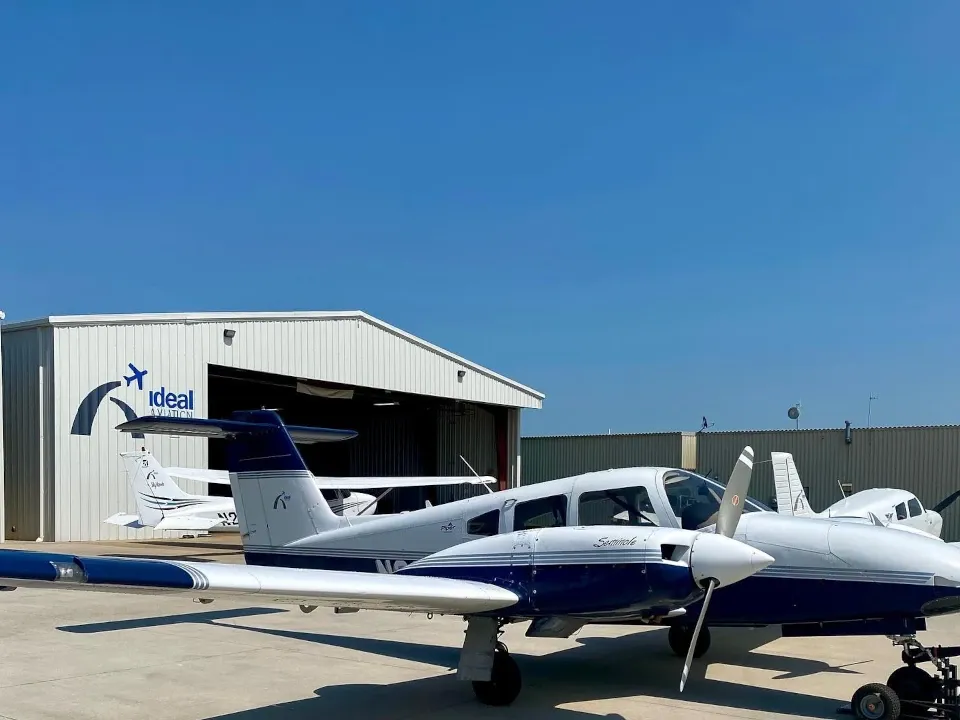
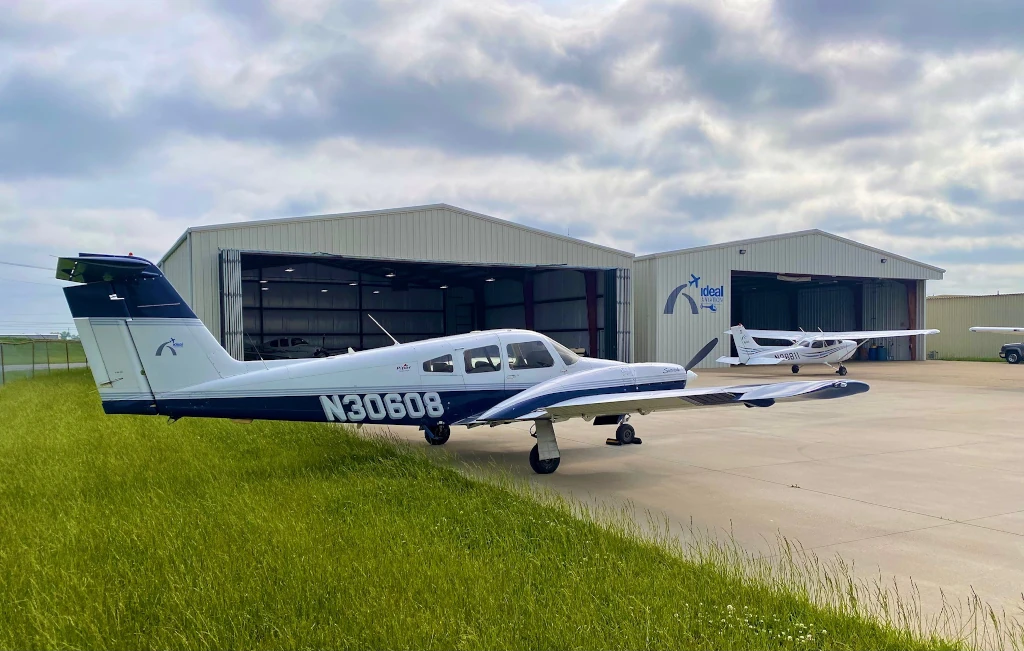
Which airplane you fly also shapes the aircraft line. Our fleet includes Tecnam P92 and P-Mentor trainers and a Piper Pilot 100i with Garmin G3X panels, plus a Cessna 172 with a traditional six-pack panel. Each airplane has its own hourly rate, so ask our team to price the trainer you want. You can compare them on our fixed-wing fleet page.
Solo and cross-country: when your instructor steps out
After your first solo, the mix changes. Solo flights are aircraft time with no instructor on board. Your instructor still briefs you, reviews your route planning, and endorses each solo cross-country in your logbook, so some instructor time stays on your bill in this phase too.
This phase also holds the flights that need an instructor beside you: dual cross-country and night training, along with some flight by reference to instruments. Our nine-step guide lists every Part 61 minimum for this stretch.
Weather can cancel any lesson in any phase. On a day the airplane stays in the hangar, our Redbird simulator lets you rehearse procedures so the day still moves you forward. See how it works on our simulators page.
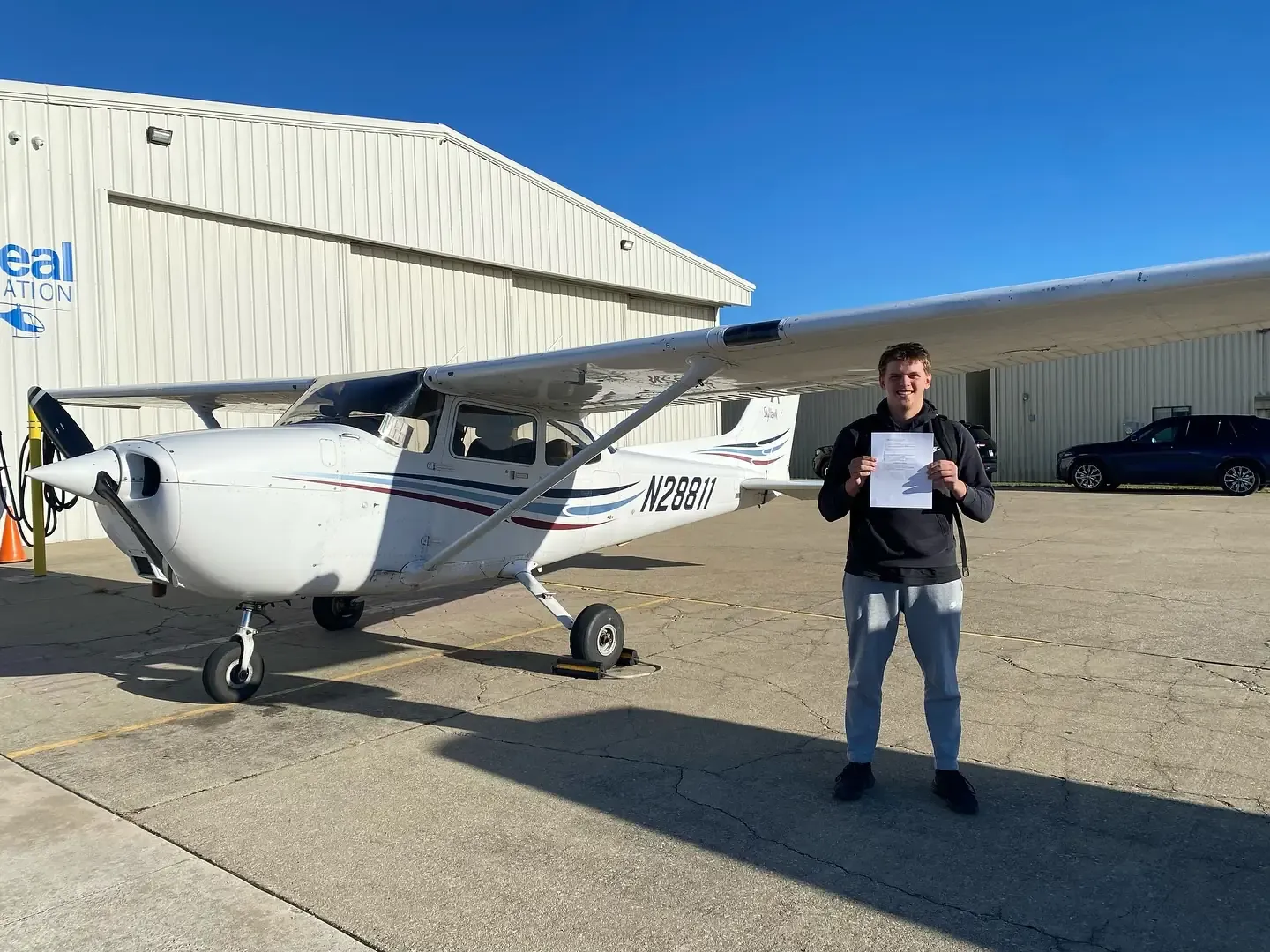
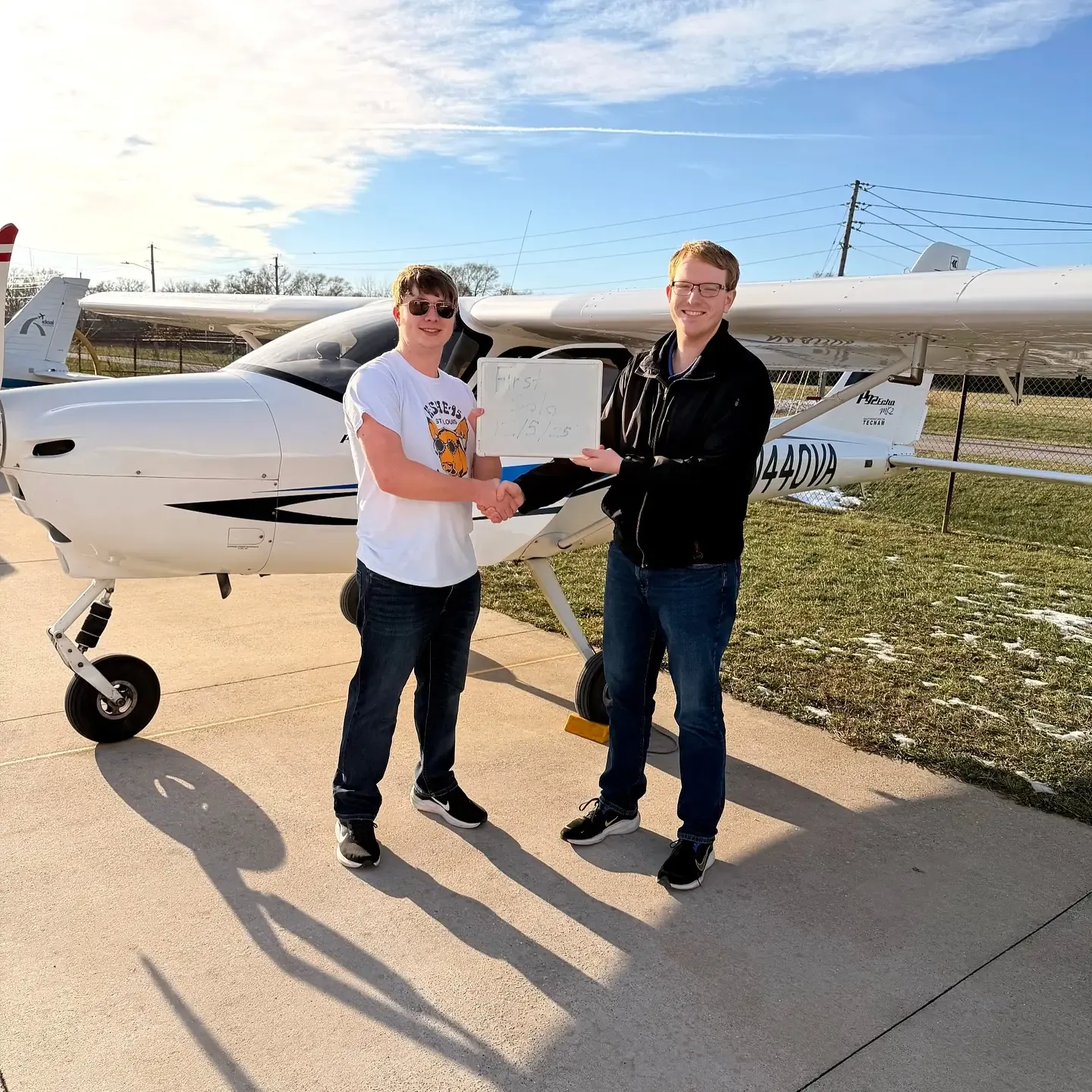
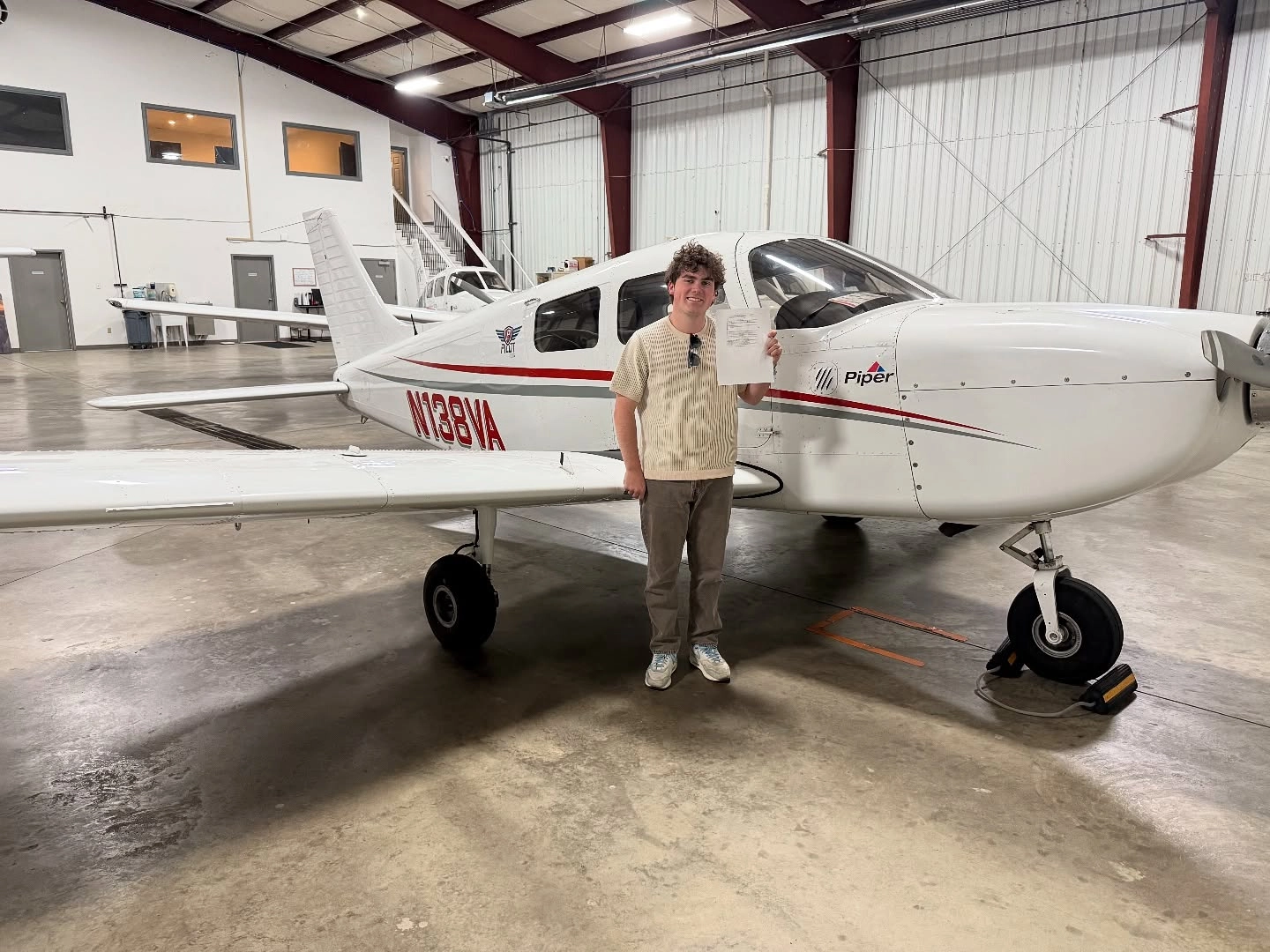
Solo flights are aircraft time with your instructor on the ground, still briefing and endorsing each trip.
Ground school, study supplies, and the knowledge test
Ground training runs alongside your flying. It covers regulations, weather, navigation, aerodynamics, and aircraft systems, through ground school, instructor ground time, and study at home. You can use our private classrooms and study areas when you are at the airport. Budget for books, charts, and any test-prep apps or subscriptions your instructor recommends.
All of that study leads to the FAA knowledge test, a multiple-choice exam you take at an approved testing center once your instructor signs you off. There is a testing fee, and a retake adds another. Timing protects this line item: you must pass the test within the 24 calendar months before the month of your checkride, so taking it far too early risks paying for it twice. The FAA’s airman testing page covers the test itself, and our tips for passing the FAA written exam cover how to study.
Headset, gear, and insurance: the small lines students forget
Some of the most common surprises are small items. Your gear list starts with a headset, then charts, books, a logbook, and often a tablet with aviation apps and subscriptions.
You do not need everything on day one. Buy what your instructor asks for at each phase, and separate required items from upgrades you can add later. If renter’s insurance applies to your training, we will include it in your estimate so it does not arrive as a surprise. The supplies section of our budgeting guide shows how to plan these as a group.
Checkride costs: the examiner, the airplane, and a possible retest
The last phase has its own set of lines. First come your checkride preparation flights: under Part 61, at least 3 hours of training with an instructor within the 2 calendar months before the test. Then the checkride itself, an oral exam and a flight with a Designated Pilot Examiner, or DPE, an experienced pilot the FAA authorizes to give practical tests.
The examiner charges a fee that you pay directly to the examiner, and you also pay for the aircraft time used on the flight portion, because the applicant provides the airplane. The FAA’s practical test page covers what you bring. If one task does not meet the standard, you train on it and retest, which adds instructor time, aircraft time, and another examiner fee.
Strong relationships with local examiners help students schedule checkrides quickly, and a short wait between your last prep flight and test day keeps you from paying for extra review flights. Our Local DPEs page introduces the examiners who serve St. Louis-area students.
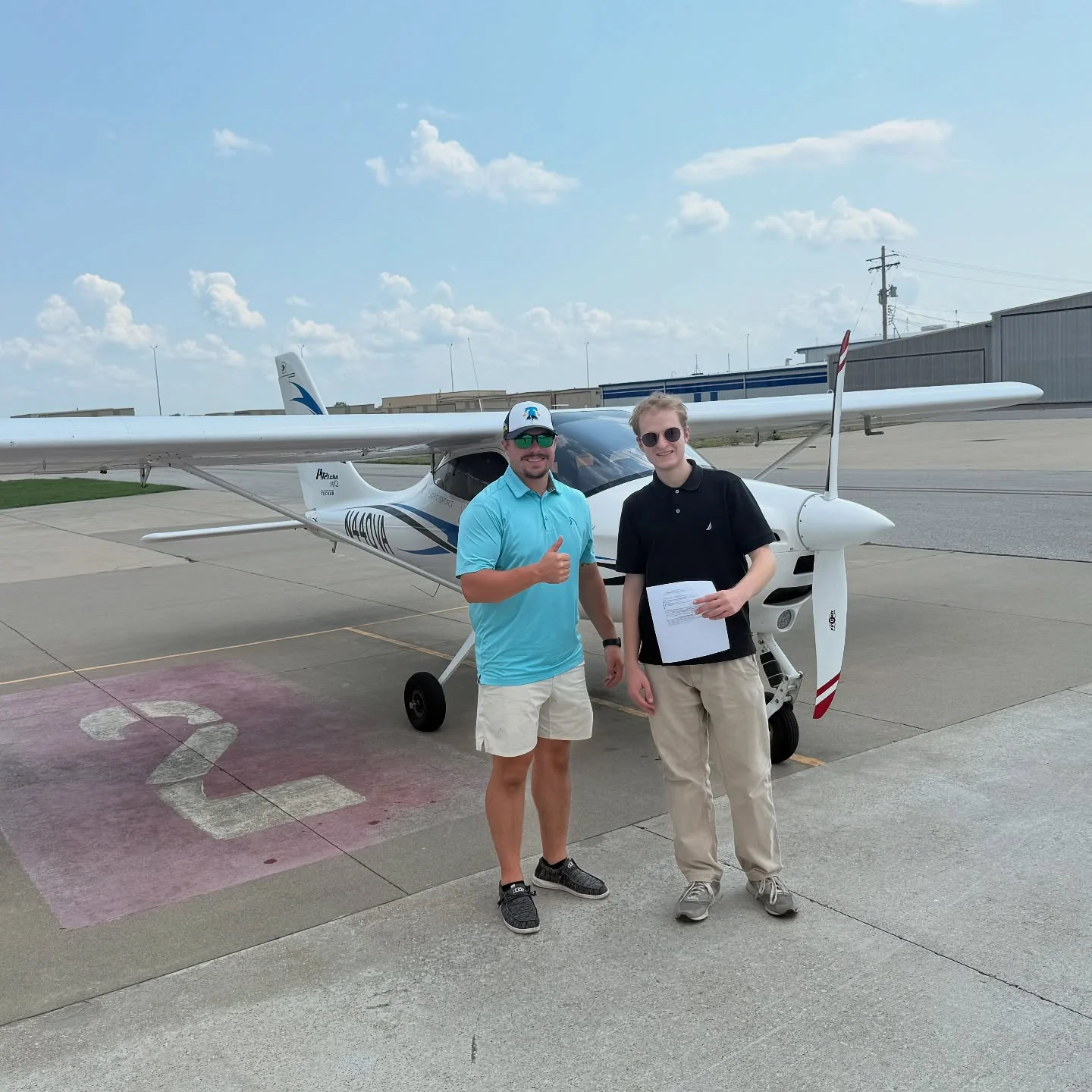
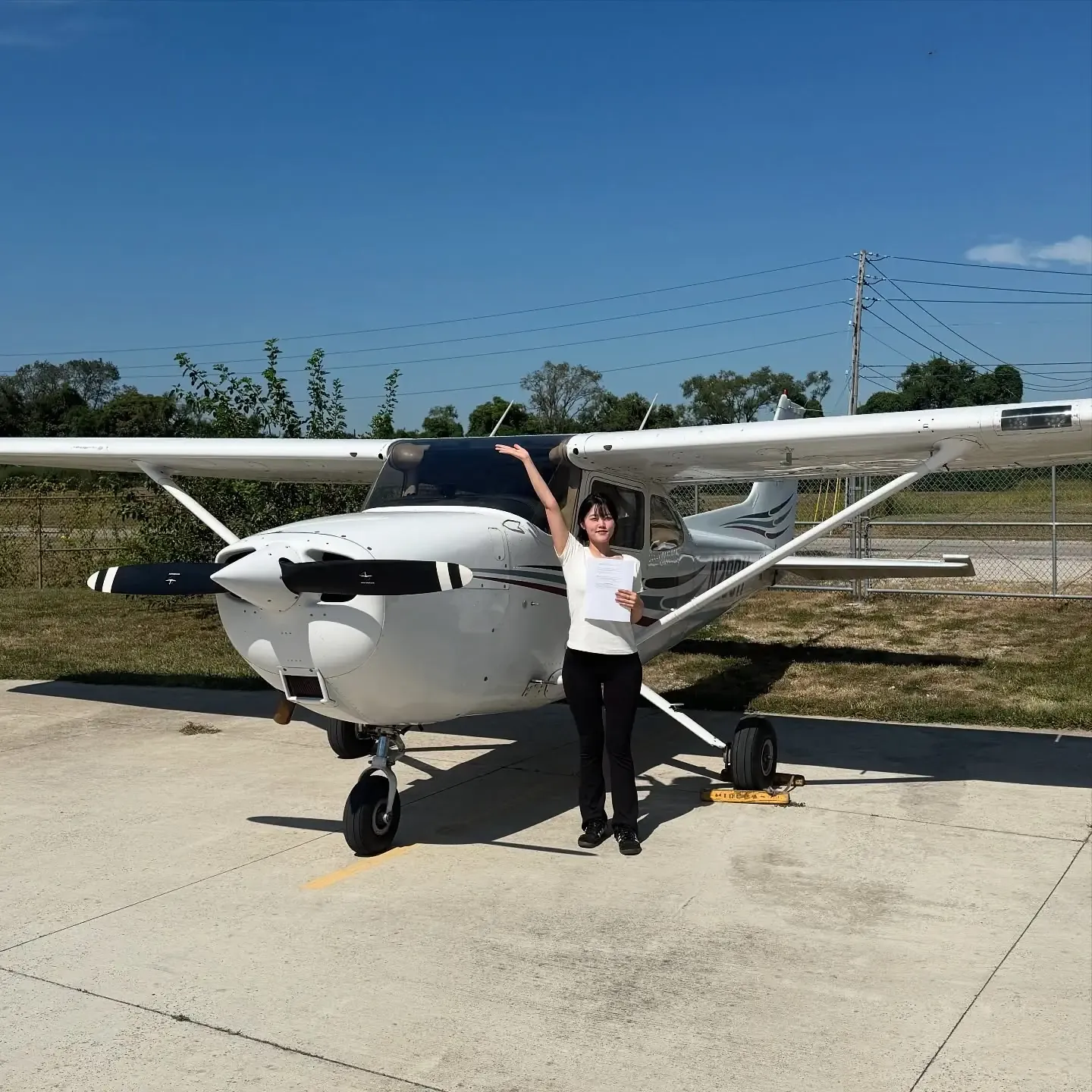
The checkride phase includes prep flights, the examiner's fee, and aircraft time for the test.
Four things that move your total more than any rate
Two students with the same rates can finish with very different totals. These four variables explain most of the gap.
- Lesson frequency. Long gaps turn the start of each lesson into review. We suggest two to three lessons a week when your schedule allows, and our weekly lesson plan shows sample weeks.
- Weather. Canceled flights stretch your calendar, and a long stretch away from the airplane adds review time. A weather backup slot and simulator practice keep momentum.
- Proficiency beyond FAA minimums. You finish when you meet the FAA standards and your instructor recommends you, not when the hour count hits a number. Study between flights so lessons start ahead.
- Aircraft choice. Each trainer has its own hourly rate, so the airplane you pick shapes the aircraft line on every lesson.
Consistency is both a learning decision and a financial decision. A steady rhythm you can afford beats an ambitious one you have to pause.
Ways to manage the cost: scholarships, SWIC, and financing
You have more than one way to fund training. Scholarships are the first place to look. We keep a list of resources, including EAA flight training scholarships and compiled lists from the Air Line Pilots Association and the Greater St. Louis Business Aviation Association, on our scholarships page. Availability, eligibility, and deadlines change, so apply to several and keep your own plan moving.
If you also want a degree, our partnership with Southwestern Illinois College lets you earn college credit for your flight and ground training toward an Associate in Applied Science in Aviation Pilot Training. Fluid enrollment means you keep progressing without waiting for a new semester. One SWIC student, Isabela Jung, described the partnership as a way to earn a degree and a commercial certificate “efficiently and cost-effectively.” Read more on our SWIC partnership page.
Financing may be available to qualified applicants, and our team can walk you through options. For month-by-month cash-flow planning, our budgeting guide shows how to turn an estimate into a schedule you can sustain.
Frequently Asked Questions
How much does a private pilot license cost in St. Louis?
The total depends on your aircraft, how often you fly, and how many hours you need beyond the FAA minimum. We give current rates by phone or message: call (618) 360-7600 or contact our team for current rates on each line item.
Which costs show up on almost every lesson?
Aircraft time and instructor time. Every dual lesson includes both, which is why how often you fly has such a large effect on your total. Our Private Pilot program is built around steady progress.
Do I pay the examiner separately from the school?
Yes. The examiner’s fee is paid directly to the examiner, and you also pay for the aircraft time used during the checkride. Plan both before your test date.
Can I start lessons before I get my medical?
Yes. You need a third-class medical before you solo, not before your first lesson. Booking the exam early protects your schedule and your budget.
Does the FAA 40-hour minimum mean I will pay for 40 hours?
No. The 40 hours is a legal floor, and most students fly more before they are ready. Build your plan around a range, and read our post on what affects how long training takes.
Are scholarships guaranteed?
No. Awards, eligibility, and deadlines change from year to year. Apply to several and keep a separate funding plan, starting with our scholarship resources.
Get current rates for every line from our team
The next step is putting current numbers next to each line. Contact our team and we will give you current rates for each line, based on the aircraft you want to fly and the schedule you can keep, so you start training with a plan for every phase. Contact Ideal Aviation or call us at (618) 360-7600.