Private Pilot License in St. Louis: The Complete 2027 Guide
What the certificate lets you do, who qualifies, how training is organized, and how to take your first lesson at St. Louis Downtown Airport.
What a Private Pilot Certificate Lets You Do
A private pilot certificate, often called a private pilot license, lets you fly for fun or travel and bring passengers along on noncommercial flights. Flying for hire takes a commercial certificate, and flying in clouds takes an instrument rating. See how our Private Pilot program is organized.
You can start lessons with no flying experience. To earn the certificate, you need to be at least 17 and able to read, speak, write, and understand English. Before your first solo, you need a student pilot certificate and an FAA third-class medical.
How Training at St. Louis Downtown Airport Keeps You Moving
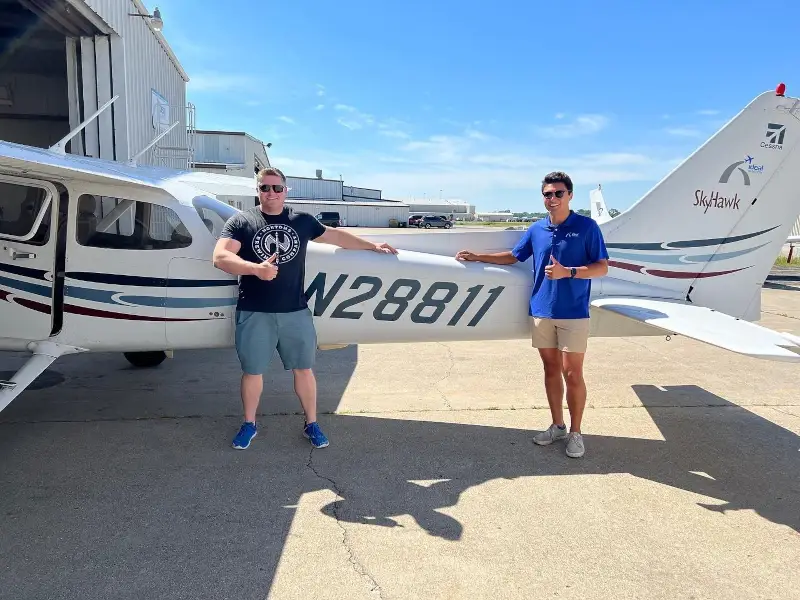
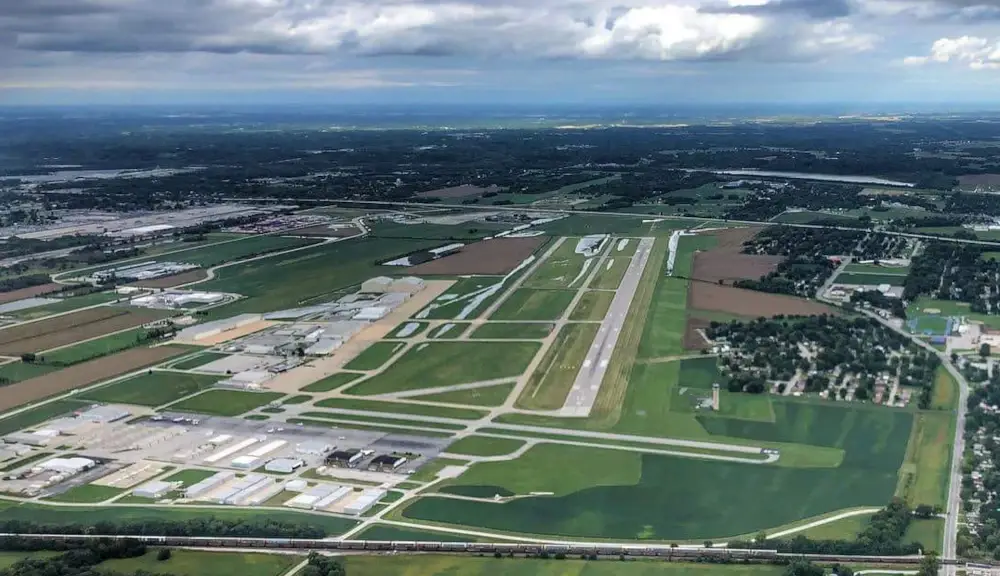
We fly out of St. Louis Downtown Airport in Sauget, Illinois, just across the river from the Arch. The airport has an operating control tower, so radio work becomes routine from early lessons. Our guide to training at Downtown Airport covers the airspace and the drive.
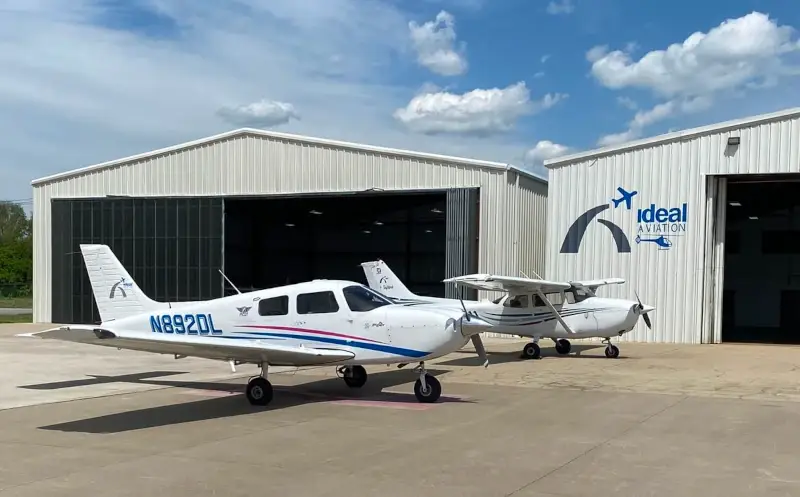
You can train in glass cockpits with Garmin G3X avionics or a Cessna 172 six-pack, and use our Redbird simulator on weather days. Strong relationships with local examiners help students schedule checkrides quickly, and our SWIC partnership lets you earn college credit.
The Choices That Decide How Much Time and Money You Spend
The FAA sets minimum flight hours: 40 under Part 61 and 35 in an approved Part 141 course. Most students fly more, because gaps between lessons turn into review. We recommend two to three lessons a week, and our weekly plan for private pilot lessons shows how to fit them in.
Your cost comes from aircraft and instructor time, study materials, the medical, the knowledge test, and the checkride. Our private pilot cost breakdown covers each piece. We offer training under both Part 141 and Part 61, and our Part 61 vs Part 141 comparison helps you choose.
The Four Phases of Earning Your Private Pilot Certificate
- Schedule your discovery flight
Fly with a certified flight instructor and you may get to take the controls. You may see the Gateway Arch and the Mississippi River on the way. Request a date at least five days out and our team will call to confirm.
- Learn the basics and fly your first solo
Your instructor teaches takeoffs, landings, and maneuvers. Before you solo, you get your third-class medical and student pilot certificate, and your instructor signs you off to fly alone.
- Build cross-country and night experience
You plan and fly longer trips, including solo cross-country flights, train at night, and study for the FAA knowledge test, which you pass before your checkride.
- Prepare for and pass your checkride
Fly checkride preparation, then take the oral and flight test with a Designated Pilot Examiner (DPE). Our 9-step private pilot guide breaks every phase into actions.
Frequently asked questions
Your questions answered.
- Can I fly my family and friends once I have my private pilot certificate?
- Yes. A private pilot certificate lets you carry passengers on noncommercial flights, within your ratings, endorsements, medical, and the operating rules. You can't charge them for the flight, since flying for compensation or hire takes a commercial certificate.
- Can I fly in clouds or bad weather as a private pilot?
- Not at first. Flying in clouds or in weather below visual flight minimums takes an instrument rating, which you add to your private certificate. Many of our students add it next, and your instructor can show you how the two programs connect.
- What happens on the private pilot checkride?
- The checkride has an oral portion and a flight portion, given by a Designated Pilot Examiner (DPE), an examiner the FAA designates to give practical tests. You are graded against the FAA Airman Certification Standards. Your instructor decides when you are ready, and we fly a final review with you before test day.
- Is there help paying for private pilot training?
- Financing may be available to qualified applicants, and our team can walk you through options. You can also look through our scholarship resources. Call (618) 360-7600 or contact us to talk through a plan for your budget.
- Where can I find quick answers to other first-timer questions?
- Our private pilot lessons FAQ for first-time students covers the medical, lesson cost, and how long training takes. Our first-time pilots page has program summaries for new students and answers about safety, financing, and Part 141 vs Part 61.
No questions match your search. Please try different keywords.
Start Your Private Pilot Training With One Flight
You'll know whether flying is for you once you sit in the left seat with an instructor. Request a discovery flight from St. Louis Downtown Airport, and our team will call to confirm your date.